Health Project Management in Regional Emergency Infrastructure
Noel Yaxley managed NSW's rural ambulance station programme, coordinating modular delivery, planning approvals, and interagency collaboration across regional sites.
- Project Type
- Rural Ambulance Stations
- Location
- Regional NSW
- Client
- Health Infrastructure / NSW Ambulance
- Services
- Design ManagementConstruction SuperintendentStakeholder CoordinationProgramme Management
Coordinated Delivery Across NSW: Rural Ambulance Stations Projects
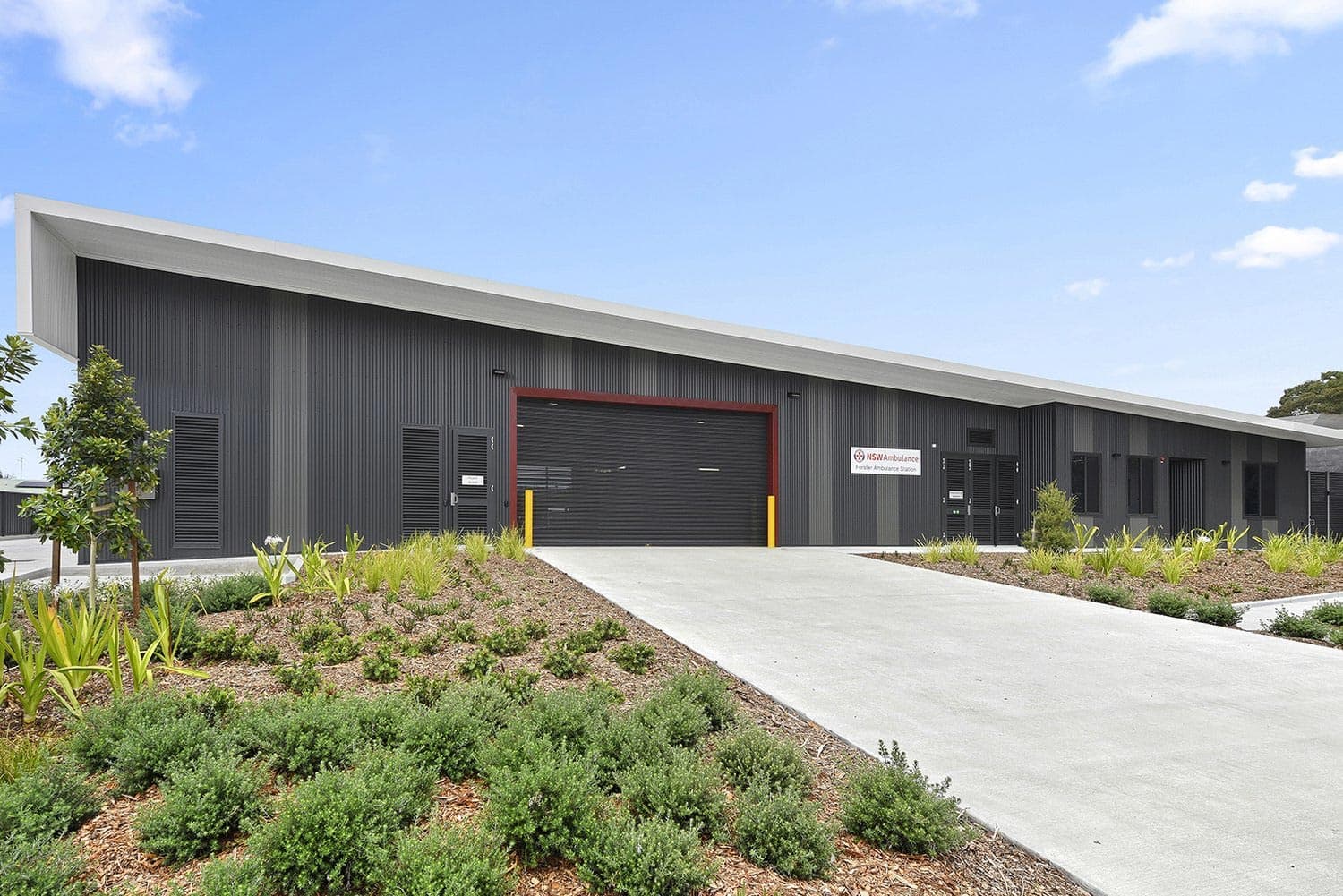
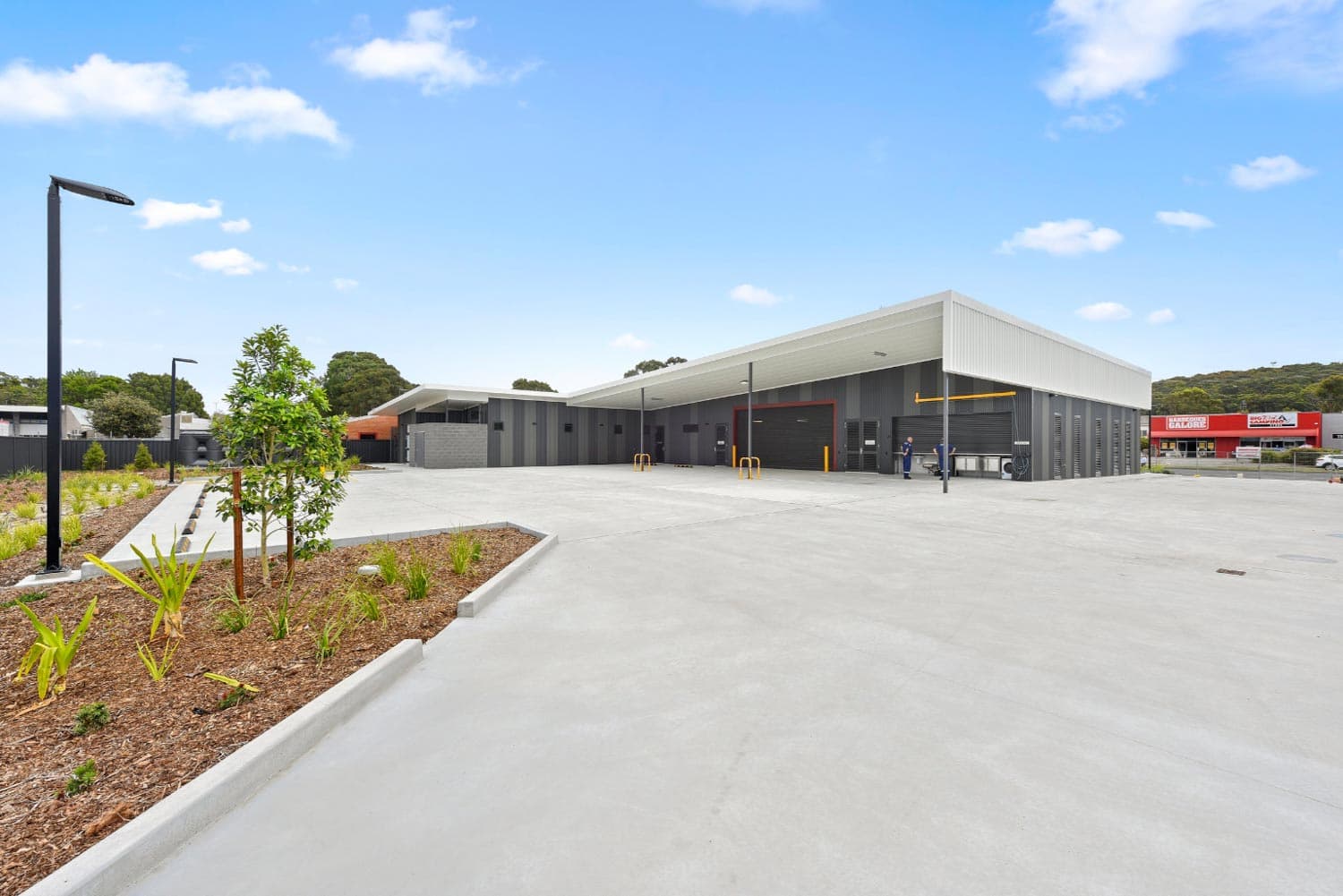
Working within the Health Infrastructure framework, the Rural Ambulance Infrastructure Reconfiguration (RAIR) program exemplifies the operational complexity and regional nuance of contemporary health project management. This initiative involved the delivery of multiple rural ambulance stations across New South Wales, including Birmingham Gardens near Newcastle and Pottsville in the state’s far north.
Noel Yaxley project managed the delivery of both the Birmingham Gardens station at 13 Nash St, Wallsend NSW 2287, and the Pottsville station at 1128 Pottsville Rd, Pottsville NSW 2489. Each site presented unique logistical and regulatory challenges, demanding tailored solutions while maintaining consistency across the program.
Health Project Management: A Structured, Multi-Phase Approach
Effective health project management in the public sector hinges on rigorous early-stage coordination. For the RAIR initiative, this included:
- Site identification and acquisition: Yaxley worked alongside real estate acquisition partners to ensure viable, accessible, and zone-compliant sites.
- Planning approvals: Depending on site status, this involved securing either Development Applications or Crown Certificates.
- Design coordination: Collaborating with architects to adapt modular building systems for each site’s operational and contextual needs.
At Birmingham Gardens, an innovative land-sharing arrangement was reached with Hunter New England Health. Unused land was repurposed to house the new ambulance station, with a mutually beneficial deal providing a car park adjacent to both the new facility and the existing hospital.
Modular Thinking in Regional Health Infrastructure
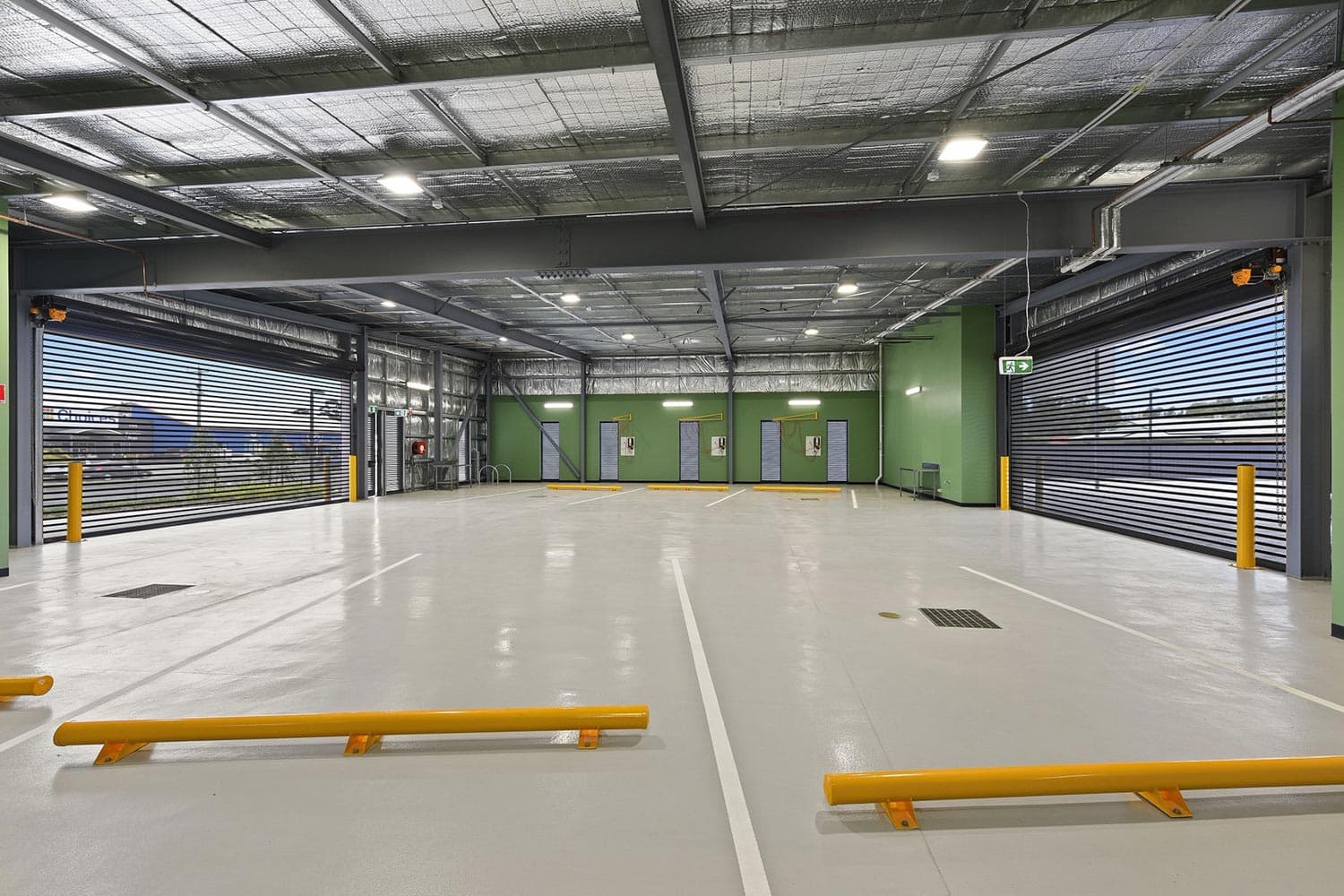
Modular construction played a critical role in standardising delivery outcomes across RAIR. This approach allowed for:
- Simplified planning through repeatable, code-compliant designs
- Shorter construction timeframes, minimising community disruption
- Cost control and quality assurance across rural and remote locations
While modularisation created consistency, it also required site-specific adaptations. In Pottsville, for example, the absence of a town sewer connection necessitated a field irrigation system to manage wastewater. The facility also included overnight staff quarters to accommodate late shifts. These living quarters fell under a different BCA classification, introducing challenges around fire separation when integrated with the warehouse-classified ambulance station.
Regional Sensitivity and Interagency Collaboration
Health project management in regional settings must accommodate diverse stakeholder groups. Yaxley’s leadership ensured coordination across local councils, state health bodies, and emergency response agencies. His responsibilities included:
- Managing community engagement around visual impact and access
- Adapting modular layouts to topographical constraints
- Ensuring design intent was preserved through handover to local delivery teams
"These projects highlight how well-coordinated front-end management can set up regional infrastructure for long-term functionality and community value," said Noel Yaxley.
Setting the Foundation for Essential Services
Though construction delivery was eventually transferred to regional teams, the foundation laid during early phases defined each project’s success. The value of proactive health project management was evident in:
- Site readiness and planning efficiency
- Modular adaptability to local requirements
- Design integrity and regulatory compliance
Conclusion: Partnering for Regional Health Project Success
The RAIR program reinforces the importance of:
- Proactive, consistent leadership from project inception
- Modular strategies adapted to unique rural conditions
- Seamless collaboration across government and local agencies
At Upscale Project Management, we specialise in delivering complex health infrastructure across regional NSW—from early planning to construction oversight. If you’re looking for an experienced partner who understands public-sector requirements, compliance, and rural delivery challenges, contact us or call us today on 02 9090 4480 to start the conversation.