Beyond Balance: Finding Meaning in the Demands of Project Delivery
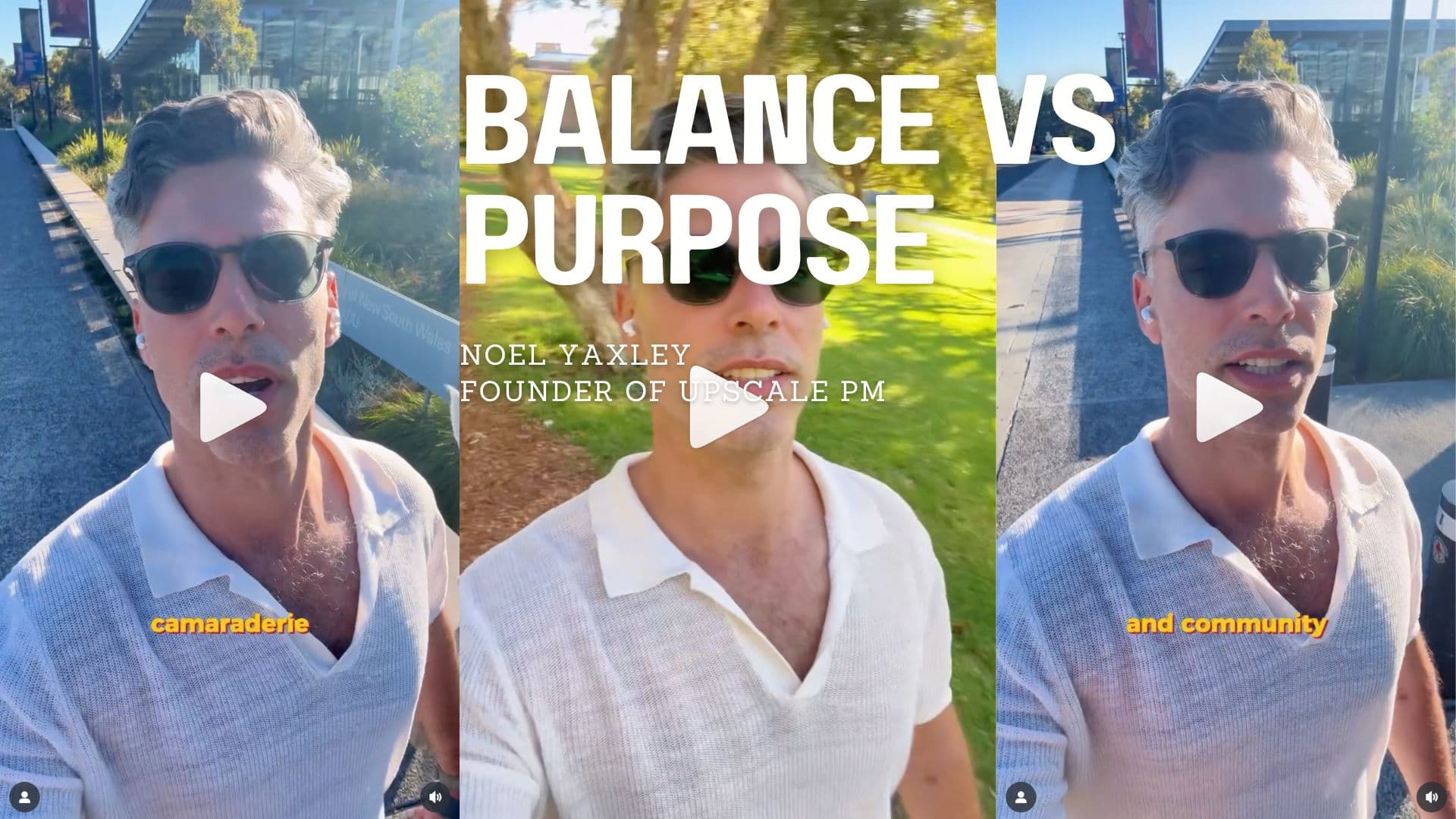
Rethinking work-life balance in the built environment
Last night I had dinner with John Prigell, one of the directors and founding members of SGB Architecture. John moved from Melbourne to establish SGB's Sydney office and now leads much of the firm's work around people and culture.
Our conversation turned to work-life balance, that ever-present topic in architecture and construction. John shared that, like many firms after COVID, there's been a strong cultural shift toward protecting staff wellbeing. The push has been clear: prioritise mental health, keep work within the 38-40 hour week, and build sustainable practices that prevent burnout.
That's an important and necessary change. Architecture, for decades, has carried a reputation for long hours, relentless deadlines, and unhealthy expectations of "doing more with less." Many people left the profession because of it. Creating healthier workplaces should absolutely be celebrated.
But as we talked over dinner, we also acknowledged a truth that's harder to express in today's environment: that intensity has its place, especially early in your career.
The value of hard seasons
I thought back to my own 20s, working late nights on design competitions, chasing deadlines that felt impossible at the time. Those periods were exhausting, but they were also deeply formative.
When you're in your 20s or 30s, you have the energy and freedom to throw yourself fully into something, to push your limits, experiment, and learn faster than you thought possible. Looking back, some of those long, focused nights were the most creatively rich years of my professional life.
We'd be in the office until midnight, surrounded by rolls of trace paper and takeaway boxes, debating ideas, sketching iterations, and testing everything under the pressure of the deadline. It was chaotic, but it was also deeply communal. Everyone was in it together.
That sense of camaraderie, of being part of something bigger than yourself, is hard to replicate later in your career. Those moments forged skills and friendships that shaped the way I still approach projects today.
So yes, work-life balance matters, but so does work intensity, especially when it's purposeful and time-bound. Growth rarely happens in perfect equilibrium.
Balance isn't always 50/50
The point is not to reject balance, but to redefine it. A sustainable career is not one where every week looks the same. It's one that moves through seasons: periods of deep focus, followed by rest and reflection.
If you're working on something exciting, a competition, a major tender, a project that challenges you creatively, it's okay to give it everything for a while. Then step back, take your time off, and reset. The rhythm of architecture has always worked best in cycles: push hard when it counts, then recharge.
As project managers, we see this across the development and construction industry as well. The best teams know when to ramp up and when to slow down. It's not about constant acceleration. It's about alignment, matching your energy to the stage of the project and the goal at hand.
The role of leadership
For leaders, this creates a delicate responsibility. We must protect wellbeing without removing the opportunities for growth that come from hard work. If every challenge is flattened in the name of balance, we risk dulling the very edge that makes architecture rewarding: the pursuit of excellence.
Good leadership doesn't mean eliminating pressure altogether. It means making sure that when pressure comes, it's meaningful, supported, and temporary. Young architects should have the chance to experience the intensity of creative work, but within a culture that values mentoring, recovery, and perspective.
John spoke about this within his own practice: creating an environment where people are encouraged to work hard, but also to understand why they're working hard. Purpose makes all the difference.
A lesson for every career stage
Whether you're just starting out or leading a team, architecture is not a sprint, but it's not a gentle walk either. It's more like a series of climbs and plateaus.
The long hours, the late nights, the competitions that push you: they're part of the journey. They shape resilience, craft, and collaboration. But rest, reflection, and renewal are what sustain them over time.
If you're in your 20s or 30s and you're offered the chance to pour yourself into a project that excites you, do it. Give it everything. Those moments will teach you more than any structured training ever could.
And if you're a leader, create the kind of environment where people can take on that challenge safely, purposefully, and with pride in what they're building.
At Upscale Project Management, we work with teams across the full life cycle of design and delivery. We see firsthand how performance, creativity, and wellbeing are interconnected. The best results don't come from rigid balance, but from thoughtful rhythm: knowing when to push forward and when to pause.
Work-life balance isn't just about hours worked; it's about energy invested. The goal isn't comfort, but growth. And sometimes, the work that stretches you the most is the work you'll look back on as your best.
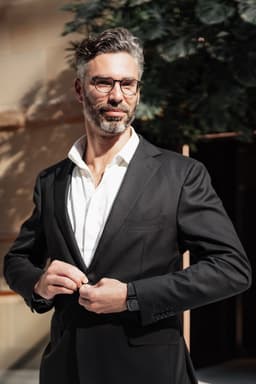
Director, UpScale Project Management
Architect-turned-project manager with experience across government infrastructure, commercial, and hospitality sectors. Noel founded UpScale PM to provide independent, client-side advisory for club boards navigating major redevelopment projects across NSW.