Beyond Projects: Building for Health, Community, and Change
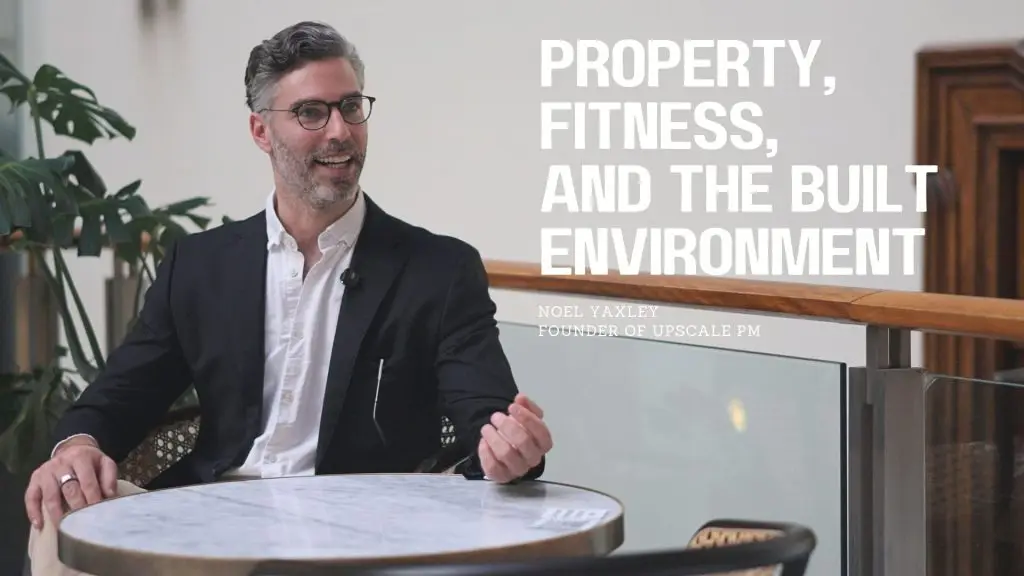
Beyond projects: building for health, community, and change
At Upscale Project Management, much of our work revolves around coordinating complex property and construction projects, from feasibility through to delivery. But for me personally, the built environment extends far beyond work. It connects with health, lifestyle, and the way we live day-to-day.
A few years ago, I became involved in a company called X's Club, a health centre built around the idea of recovery and wellbeing. The concept is simple: complement traditional gym training with facilities for physical restoration, cold plunges, saunas, and steam rooms, in an environment designed to support both the body and the mind.
My role was initially hands-on, helping with fit-out coordination and contractor engagement, making sure the project achieved both function and feel. But beyond that, it was rewarding to see how design and construction could directly shape human experience. The physical environment, when well executed, has a real effect on how people feel, perform, and connect.
This intersection between health and the built environment continues to fascinate me. Whether it's a wellness space or a residential project, the core principles remain the same: clarity of purpose, thoughtful detailing, and collaboration between designers, contractors, and clients.
Investing in place
Outside of my project management work, my wife and I have also been active in property investment, focusing on Sydney's eastern suburbs, primarily Elizabeth Bay and Potts Point. These are neighbourhoods with character: walkable, historic, and increasingly sought-after for short-term stays.
We've owned and managed several Airbnb apartments, which not only help sustain the properties but also connect us to guests from around the world. Through that process, I've come to appreciate property not just as an asset, but as an ecosystem, one that depends on thoughtful design, responsive maintenance, and positive relationships between owners, tenants, and neighbours.
In recent years, this experience has evolved into something larger: working with strata committees in two of the apartment buildings we're part of to explore strata renewal opportunities.
Navigating strata renewal
Strata renewal sits right at the intersection of development, community, and governance. On paper, it's a structured process under NSW legislation that allows owners in older buildings to collectively sell or redevelop their property. In practice, it's much more complex. It involves trust, transparency, and patient communication.
The two sites I'm currently involved with are both strong candidates for redevelopment: well-located, under-utilised, and reaching the point where the cost of ongoing maintenance is no longer justified. My role has been to guide the committees through the early stages of renewal planning, helping them understand the steps, engage the right consultants, and prepare the groundwork that will eventually allow the sites to be brought to market.
It's work I find genuinely rewarding. Strata renewal has the potential to unlock significant value for owners while rejuvenating ageing housing stock, but only if handled well. The key is to keep the process collaborative and transparent. Every building has its share of scepticism and resistance to change. Neighbours often fear development, worried it will disrupt their sense of stability or diminish the character of the area.
But when you take the time to listen, explain, and demonstrate value, the dynamic shifts. People begin to see that redevelopment, when done thoughtfully, can improve quality of life, enhance amenity, and future-proof their investment.
The human side of property
Whether it's a wellness centre or a strata renewal project, one principle ties everything together: buildings exist for people. Every fit-out, upgrade, or redevelopment should aim to make life better for those who use it.
That's something we talk about often at Upscale Project Management. Good project delivery isn't just about time, cost, and quality. It's about relationships, between owners, consultants, contractors, and communities. When those relationships are managed well, the result is a successful project and a positive legacy for everyone involved.
The property and construction industry can be demanding. Every project brings challenges: planning, funding, negotiation, risk. But it also brings opportunity, the opportunity to create something tangible that reflects care, intelligence, and long-term thinking.
I've always believed that great projects come from a balance of discipline and passion. You need the technical rigour to manage budgets, timelines, and compliance. But you also need the curiosity to explore how design and development can contribute to wellbeing, sustainability, and community life.
Building a broader perspective
When I reflect on these different experiences, health and fitness, property investment, strata renewal, they all point to the same idea: the built environment shapes how we live. Whether it's the recovery you experience after a cold plunge, the character of a heritage apartment in Potts Point, or the sense of renewal that comes from reimagining an ageing building, each plays a part in how people inhabit the city.
At Upscale, our goal is to help clients navigate those processes with clarity and purpose. When projects are well managed, from the first feasibility to the final handover, they do more than change skylines. They improve lives.
Director, UpScale Project Management
Architect-turned-project manager with experience across government infrastructure, commercial, and hospitality sectors. Noel founded UpScale PM to provide independent, client-side advisory for club boards navigating major redevelopment projects across NSW.