Boutique Residential Development: Lessons from The Rushcutters, Sydney
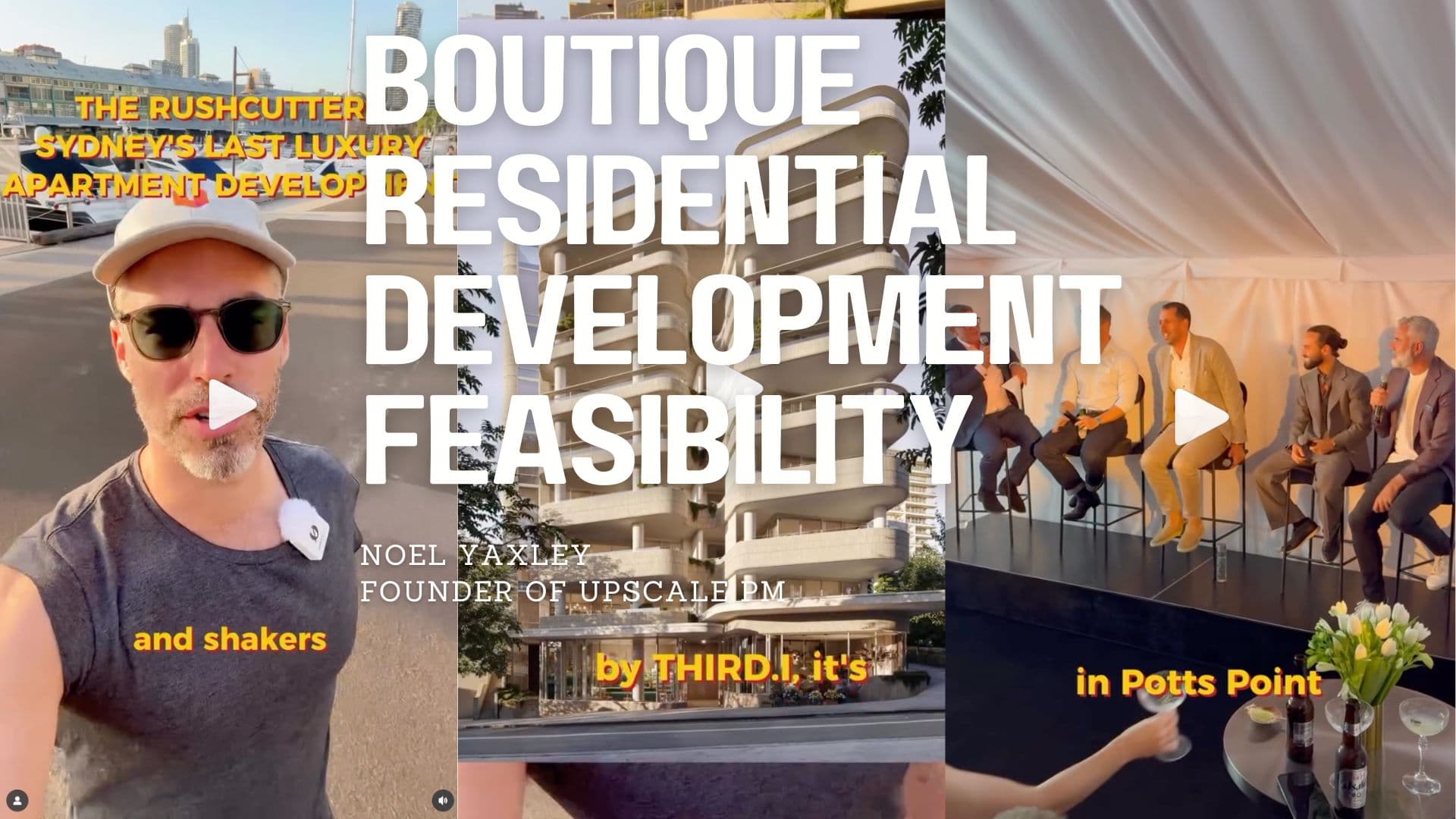
Making boutique residential development feasible: lessons from The Rushcutters, Sydney
Boutique residential developments are on the rise across Australia's inner cities, especially in premium, lifestyle-rich areas like Sydney's east. Unlike large-scale towers, boutique developments are intimate, design-led, and attract a specific buyer: typically downsizers, professionals, and rightsizers who value quality over quantity.
But behind the elegance of a 12-unit building lies a hard question: Is boutique development actually feasible? The Rushcutters project, developed by Third Eye and launched in late 2025, offers a clear example of how to make boutique development work in today's planning and market environment.
Here's what we can learn.
1. Feasibility starts with timing and planning navigation
Boutique development lives and dies by its approvals. In tightly regulated councils like the City of Sydney, recent planning reforms have introduced unit retention and affordable housing contributions, which can significantly impact smaller projects.
Rushcutters avoided this by lodging their DA before the changes took effect. As project lead Luke Berry put it:
Timing the application correctly allowed the developers to avoid mandating affordable housing stock or retaining outdated unit counts, two common constraints under Sydney's current planning regime. These types of policies are well-intentioned but can render boutique feasibility unworkable by forcing developers to compromise their premium vision or reduce profitability.
Takeaway: Successful boutique projects require proactive DA strategy. Working closely with planners to understand policy trajectories, and moving fast before rules shift, can create rare development opportunities in otherwise constrained zones.
2. Design-first thinking commands premiums
With only 12 apartments and a penthouse, The Rushcutters doesn't rely on scale. It relies on quality. Design decisions like having only two apartments per floor, each with triple-aspect light and north-facing views, speak directly to the project's ideal buyer.
Architect Jason from Woods Bagot explained:
This philosophy is central to boutique feasibility. Premium finishes, liveability-focused layouts, and architectural integrity aren't optional extras. They're what allow a 12-unit project to charge $4.9 million and up per apartment, while still attracting serious buyers.
Design quality = return on investment. In a market of generic off-the-plan units, boutique developments succeed by being recognisably better.
3. Know your buyer: downsizers, rightsizers, and executives
The Rushcutters targets what developer Luke calls the "right-sizer" market: homeowners who no longer want the burden of a large house, but still expect high-end living, privacy, and views.
According to the project team, strong demand came from:
- Downsizers selling in nearby eastern suburbs
- Young professionals upgrading to lifestyle living
- Empty nesters wanting lock-and-leave flexibility
These buyers are willing to pay for well-designed space that reflects their lifestyle. They're not just buying square metres. They're buying elegance, simplicity, and location.
Developers who deeply understand their buyer, right down to the furniture preferences, can tailor both product and marketing to drive pre-sales velocity and premium margins.
4. Sales strategy: scarcity, trust, and transparency
With limited stock, boutique developers must handle sales carefully. Rushcutters used a launch window with refundable deposits and buyer incentives (such as curated Fenuli furniture packages) to create urgency without hard sell tactics.
What made the strategy effective?
- Refundable deposits removed risk
- Floor plan exclusivity created competition
- Premium partnerships (e.g. Fenuli) boosted perceived value
Plus, their funding structure meant only a handful of pre-sales were needed to start construction, reducing holding costs and stress.
In boutique development, smart sales planning is as important as the design.
5. The legacy factor: why boutique can outperform
The final piece of the feasibility puzzle is long-term value. Projects like The Rushcutters aim to become part of the urban fabric: addresses with enduring demand.
The site's protected view corridors, heritage context, and timeless architecture make it a project with legacy potential. And that's where boutique really shines: not as a volume play, but as a brand-building, reputation-enhancing statement.
Conclusion: Is boutique feasible? Yes, with strategy.
The Rushcutters shows how boutique residential development can be viable, and highly profitable, when approached with vision, timing, and design clarity. It also shows how navigating Sydney's evolving planning constraints, like unit retention and affordable housing policies, can make or break a project.
For developers, investors, or landowners looking to enter the boutique space, the message is clear:
- Move early before planning changes
- Design for the buyer, not the spreadsheet
- Lean into legacy, not just launch prices
With these in place, boutique isn't just feasible. It's a formula for lasting impact and premium returns.
Thinking about your own boutique development? UpscalePM specialises in project feasibility, DA strategy, and premium project marketing. Let's build something iconic -- together. Call us on 02 9090 4480 to chat through your site opportunity.

Director, UpScale Project Management
Architect-turned-project manager with experience across government infrastructure, commercial, and hospitality sectors. Noel founded UpScale PM to provide independent, client-side advisory for club boards navigating major redevelopment projects across NSW.