City of Sydney DA Explained: Challenges, Delays, and Solutions
Why the City of Sydney DA process is failing developers and buyers
The City of Sydney DA (Development Application) process is meant to balance good design, planning compliance, and community needs. In practice, it's become a drawn-out, rigid, and costly system that deters developers, adds years of delays, and inflates housing prices.
A recent case shows just how bad things have gotten.
Two and a half years for approval
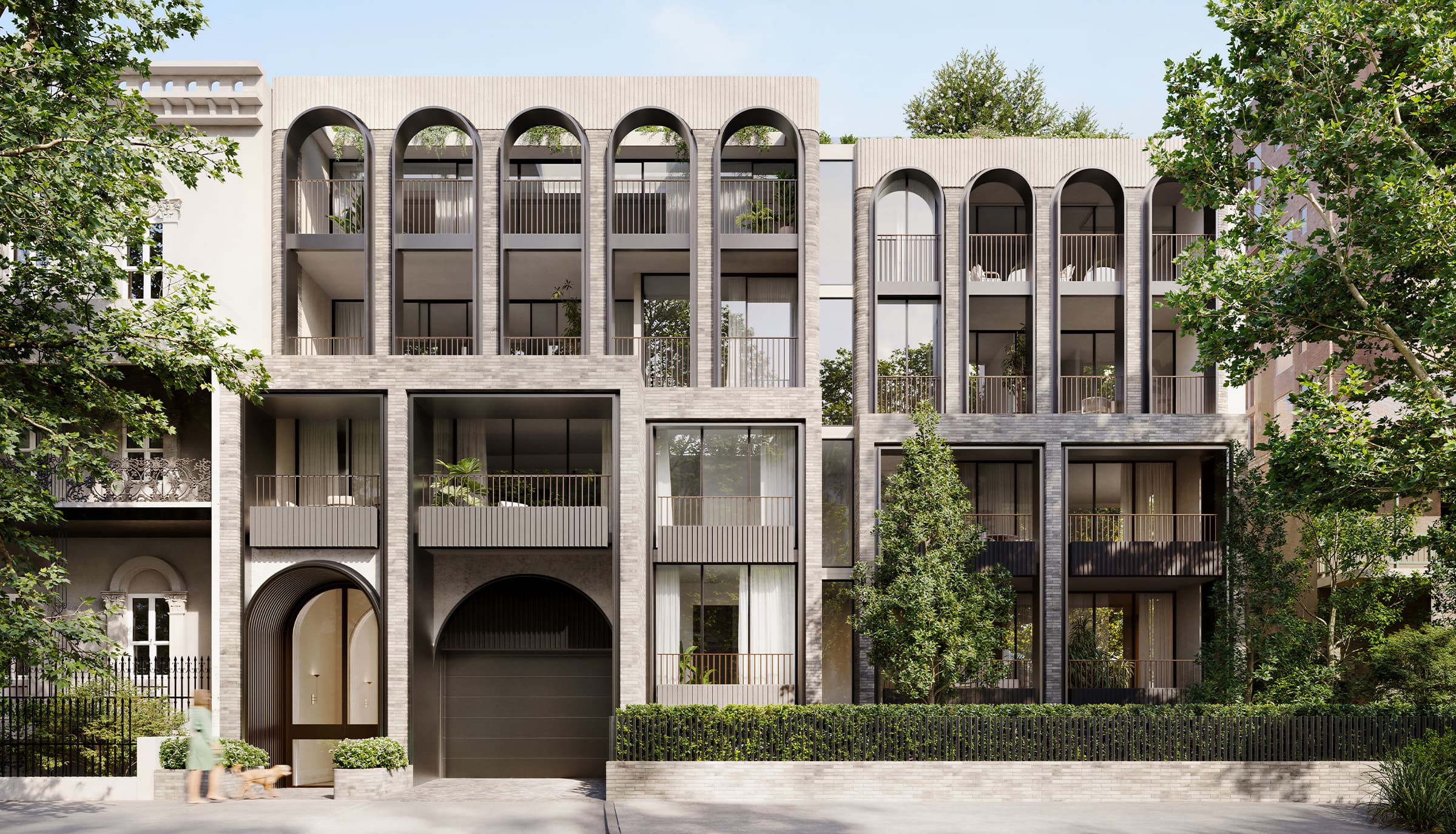
Scrolling through LinkedIn recently, I came across a congratulatory post for a new project at 117 Victoria Street, Potts Point. Designed by Koichi Takada Architects and developed by Decorp, the project finally received Land and Environment Court approval after more than two and a half years in planning.
The original DA was lodged back in 2023. Now, in late 2025, the team has only just cleared the hurdles to move forward.
The irony? The design itself is modest, contextual, and well resolved. Koichi Takada Architects are known for sensitive and thoughtful work, and this project replaces an outdated 1960s building that no longer serves its purpose. It ticks all the boxes for a well-placed development, yet it faced challenge after challenge through the DA process.
The cost of delay
What does a two-and-a-half-year DA process actually mean?
For developers, it means massive holding costs. Every month a project is stuck in limbo adds financial pressure. That cost doesn't vanish. It gets passed down to the purchaser, contributing to Sydney's already sky-high property prices.
Instead of focusing resources on construction, jobs, and housing delivery, developers are forced to pour money into appeals, consultants, and legal battles just to get something approved.
The problem isn't that developers want to build oversized, out-of-context towers. In cases like 117 Victoria Street, the project fits its surroundings. The issue is a rigid, inflexible system that leaves no room for practical interpretation.
A system without flexibility
The City of Sydney, along with neighbouring councils like Woollahra, have taken their Local Environmental Plans (LEPs) and Development Control Plans (DCPs) to the extreme. Rather than treating them as guiding frameworks, they interpret them as strict rules, right down to the millimetre.
But planning and development is never a perfect science. Sites come with constraints. Streetscapes evolve. Community needs shift. A system that can't accommodate these realities creates unnecessary friction and waste.
The result? Developers are either discouraged from pursuing projects in the City of Sydney or forced into costly, time-consuming court battles just to achieve outcomes that, by any reasonable measure, make sense for the community.
Why this matters for everyone
Some may argue that strict DA controls are necessary to protect heritage, amenity, and neighbourhood character. And while that's true in principle, the current system is counterproductive.
Here's why:
- Delays increase housing costs. Every extra year of holding costs and legal fees gets passed directly to the purchaser. Sydney's affordability crisis isn't just about supply. It's about red tape.
- Good design is being punished. Developers and architects who work hard to deliver contextual, sustainable projects are forced through the same exhausting process as those proposing out-of-scale developments.
- Public resources are wasted. Ratepayers ultimately fund council legal challenges in the Land and Environment Court. Taxpayer dollars are being used to block reasonable projects, rather than improve infrastructure or services.
Who can still develop in the City of Sydney?
In today's climate, it's often only the larger developers, working on projects of 50 to 100 units or more, who can absorb the risk and cost of the DA process. For smaller, boutique developers, the margins are simply too slim.
That means fewer diverse housing options and less competition in the market, both of which are desperately needed to tackle Sydney's affordability crisis.
A broken system in need of reform
The approval process for a City of Sydney DA is meant to ensure quality outcomes, but the pendulum has swung too far. When modest, well-designed projects are stalled for years and forced into court, something is broken.
If councils want to play a constructive role in solving Sydney's housing challenges, they need to embrace:
- Greater flexibility in interpreting LEPs and DCPs
- Streamlined approval pathways for projects that meet clear design and sustainability standards
- Collaboration over confrontation, reducing the reliance on costly appeals
Until then, every DA that drags on for years isn't just a frustration for developers. It's another reason why Sydney's housing remains out of reach for so many.
Are you preparing a DA in the City of Sydney?
Call 02 9090 4480 to discuss how Upscale PM can help you navigate the approval process, manage risks, and bring your project to life.

Director, UpScale Project Management
Architect-turned-project manager with experience across government infrastructure, commercial, and hospitality sectors. Noel founded UpScale PM to provide independent, client-side advisory for club boards navigating major redevelopment projects across NSW.