Construction Variations and Design Freeze
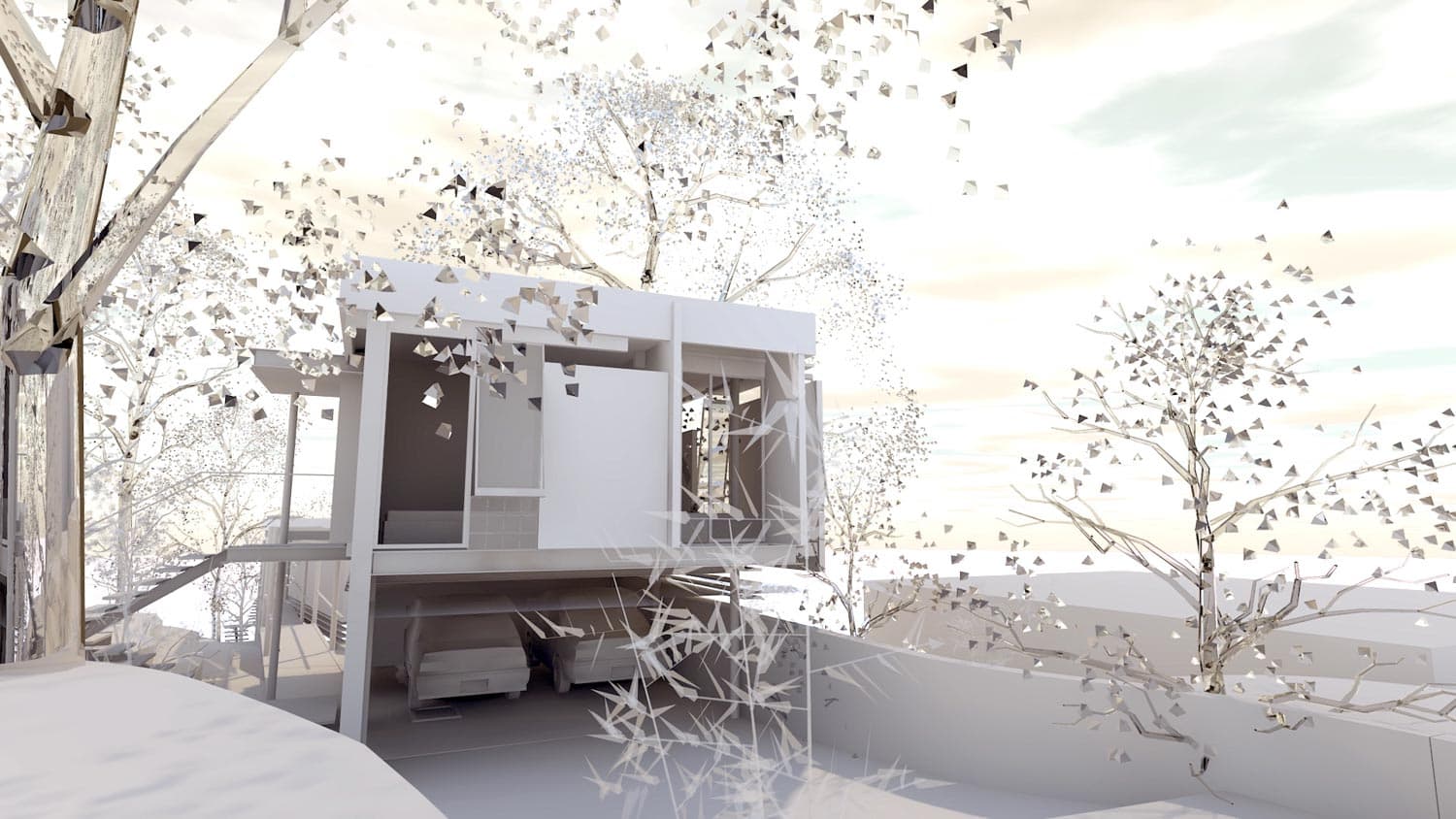
Construction variations: why a design freeze can save your budget
You've worked with your architect, you've worked with your service engineers, and you've refined the drawings. At some point, you want to essentially freeze that design, because making changes once construction has started costs time, money, and sometimes goodwill.
Once a project is tendered and the contractor is on site, every change you request is classified as a variation. And every variation comes with a cost: additional contractor margins, possible delays, and the risk of disputes. If your goal is to stay on course and stay on budget, committing to a design freeze at the right time is one of the smartest moves you can make.
What are construction variations?
In simple terms, a construction variation is any change to the original scope of works after the contract is signed. Variations can arise in a few ways:
- Client-initiated changes: Adding an extra bathroom, changing materials, or moving a wall.
- Design development changes: Updates from architects or engineers that adjust the drawings after the contract is awarded.
- Unforeseen site conditions: Discovering rock, asbestos, or hidden structural issues.
- Regulatory requirements: Adjustments needed to comply with codes or council requirements not picked up earlier.
Each of these changes has a price tag attached. Contractors are entitled to charge for additional labour, materials, and overheads, plus a margin. And while a single change might seem small, a series of variations can snowball into a major cost overrun.
Why variations add up quickly
On paper, you might think a variation is just the cost of the new item. In reality, it's more complex:
- Contractor margin: Most building contracts allow a set margin (often around 10-20%) on variations.
- Disruption: A change can slow progress or require re-sequencing trades. For example, moving a wall after plastering means demolition, disposal, and re-work.
- Procurement delays: Swapping finishes mid-build can hold up suppliers and subcontractors.
- Approval delays: Variations sometimes need fresh drawings or approvals, dragging timelines out.
That's why experienced project managers emphasise early decision-making. Once the shovel hits the ground, every adjustment costs more than it would have on paper.
The role of a design freeze
The concept of a design freeze is straightforward: you lock in the drawings and specifications before tendering. By doing so, you're giving the contractor a clear, finalised scope of works to price against.
Benefits of a design freeze include:
- Cost certainty - Contractors price the exact drawings, reducing provisional sums and guesswork.
- Clear expectations - Everyone (clients, consultants, and contractors) is working from the same playbook.
- Reduced disputes - Variations often lead to conflict; a frozen design minimises this risk.
- Faster approvals - A stable set of drawings speeds up contract administration.
Think of a design freeze as setting the "rules of the game" before construction begins. Without it, the rules shift mid-play, and the cost of changing course can escalate rapidly.
When is the right time to freeze design?
The ideal moment for a design freeze is after you've completed design development with your architect and consultants, but before tendering. At this point:
- You've resolved key design decisions (layout, finishes, services).
- You've addressed compliance issues with building codes and council.
- You've incorporated consultant feedback on structure, services, and sustainability.
Once this package is complete, you issue it to tenderers. By holding firm to the design at this stage, you create a fair bidding process and protect your budget.
How project managers help
Even with the best intentions, it's easy for clients to slip into "scope creep" once construction starts. A project manager helps by:
- Enforcing the design freeze - reminding clients and consultants when a decision is locked.
- Assessing necessity - if a change is unavoidable, making sure it's justified and documented.
- Negotiating variations - reviewing contractor pricing, checking margins, and confirming value for money.
- Tracking impacts - monitoring how variations affect the program and cash flow.
By acting as the buffer between client ambition and contractual reality, project managers save money and reduce stress.
Balancing flexibility with discipline
Of course, not every variation is avoidable. Sometimes unforeseen issues arise, or clients have legitimate reasons to adjust the design. The key is to balance flexibility with discipline:
- Minimise discretionary changes - ask yourself if the change is a "must-have" or just a "nice-to-have."
- Bundle changes - where possible, consolidate variations into fewer instructions to reduce disruption.
- Monitor cumulative impact - a handful of small changes can add up to weeks of delay and tens of thousands in cost.
A disciplined approach doesn't mean no flexibility. It means understanding the cost of change and making informed decisions.
Final thoughts
Construction variations are a reality of building projects, but they don't have to derail your budget. The best safeguard is a clear design freeze before tender, giving your contractor a stable, reliable scope of work to deliver.
When variations do arise, treat them with care. Document them properly, assess their cost and time impact, and avoid unnecessary changes that eat into your contingency.
As a client-side project manager with an architectural background, I've seen firsthand how design freezes protect developers from budget blowouts and disputes. If you're planning a project and want to keep your costs under control, consider locking down your design early, and getting professional help to manage any variations that do arise.

Director, UpScale Project Management
Architect-turned-project manager with experience across government infrastructure, commercial, and hospitality sectors. Noel founded UpScale PM to provide independent, client-side advisory for club boards navigating major redevelopment projects across NSW.