Tender Evaluation: How We Choose the Right Contractor
Tender evaluation: how we choose the right contractor (it's not always the lowest price)
So, do you just pick the lowest tender and go for it?
It's a question I get asked all the time, and the short answer is no. Tender evaluation is about a lot more than price. It's about risk, capability, compliance, and value.
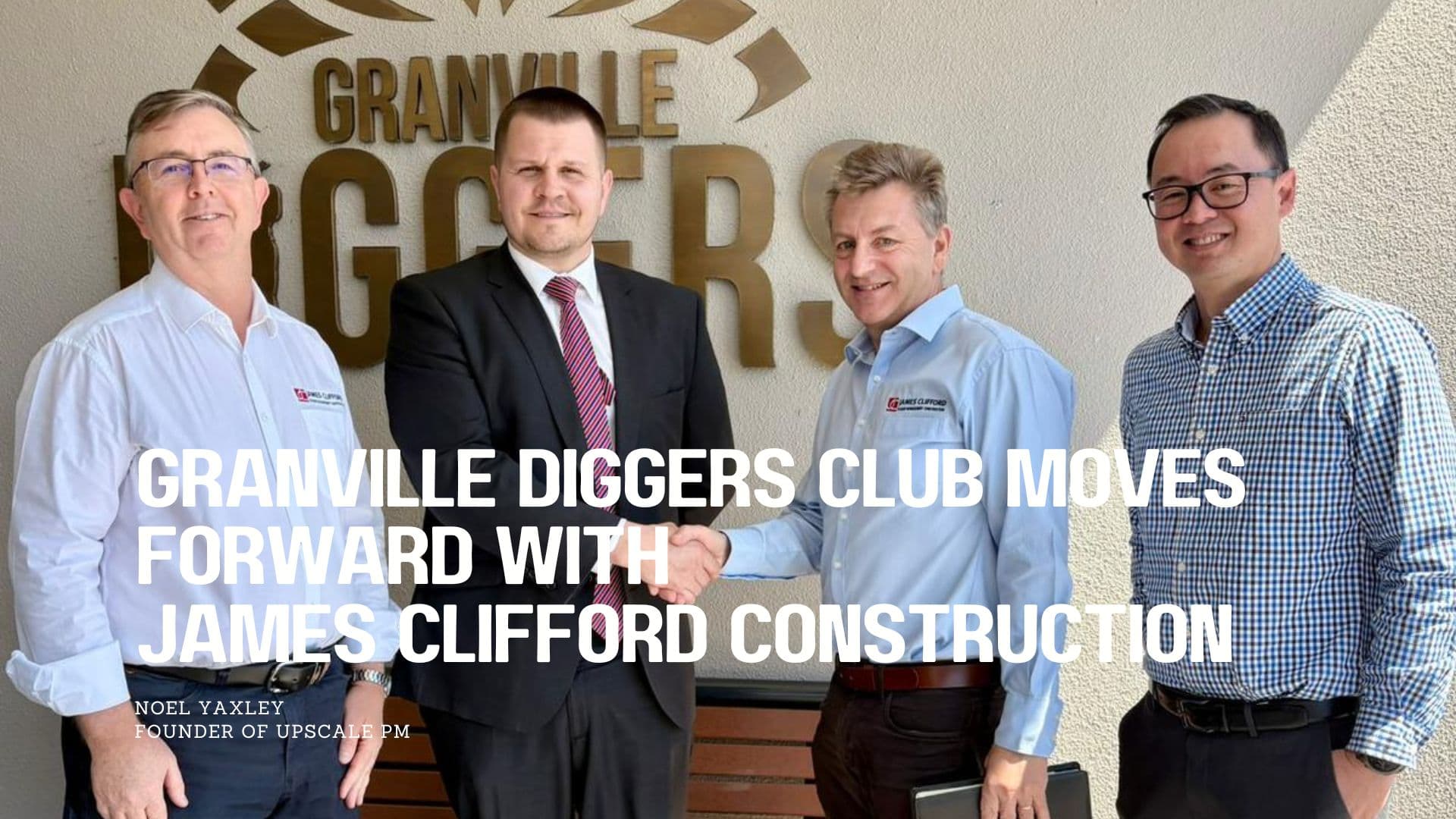
Earlier this month, we received all the tenders for the Granville Diggers Club, an internal fit-out of an RSL club in Sydney's west. The results were eye-opening. Prices varied by as much as 20-30%, which tells you everything about the current construction market: some builders are hungry for work, while others are fully booked and pricing accordingly.
So how do you make sense of it all and pick the right contractor? That's where a structured tender evaluation process comes in.
Step 1: Setting up the tender period
When you go out to tender, you typically allow four weeks for submissions. For larger or more complex projects, six weeks or more gives contractors enough time to properly price the job and coordinate quotes from their subcontractors.
This timeframe makes sure you get compliant tenders, ones that are complete, consistent, and based on the same scope. Without that, you're comparing apples with oranges.
Step 2: Receiving and reviewing the tenders
Once the tenders come in, the project manager compiles and reviews all submissions.
At Upscale PM, we assess both:
- Tender price - how competitive the contractor's pricing is.
- Non-price criteria - the equally important factors like experience, methodology, program, and key personnel.
Every tender is scored using an evaluation matrix, which gives a transparent, structured way to compare offers.
Step 3: The tender evaluation matrix
A typical tender evaluation matrix might include the following weighted criteria:
These percentages may vary depending on the project type and client priorities.
Step 4: Post-tender clarifications
Once all tenders are scored, the next step is post-tender clarification.
Contractors often include exclusions or qualifications, items they've chosen not to price because of uncertainty or risk. As a project manager, my job is to go back to them, clarify these points, and negotiate to either include those items or establish a provisional sum that can later be fixed.
This stage helps prevent unpleasant surprises once construction starts, like variations or scope gaps that blow out the budget.
Step 5: Tender evaluation report
After clarifications are complete, I prepare a tender evaluation report.
This document summarises:
- The tender prices and evaluation scores
- Key risks or qualifications identified
- The recommended preferred tenderer
The report is then submitted to the client, and often their board, for review and approval before formal contract engagement.
Step 6: Selecting and engaging the contractor
Once the preferred contractor is confirmed, we move to the contract formation stage.
In the case of the Granville Diggers Club, we're proceeding with an AS4902 Design & Construct contract. This type of contract passes responsibility for finalising design coordination to the contractor, allowing them to manage design completion directly with their trades and consultants.
The draft contract includes details like:
- Liquidated damages (delays and penalties)
- Defect liability periods
- Insurances and warranties
- Payment terms and milestone schedules
Some of these terms may still be negotiated at this point, particularly if the contractor made qualifications in their tender that now need to be resolved before signing.
Step 7: Signing and starting the project
Once both parties are satisfied and the documents are finalised, we hold a contract signing meeting. Everyone shakes hands, signs the agreements, and the project officially begins.
From there, the focus shifts to delivery and performance management, making sure the contractor builds to the agreed design, program, and quality standards.
The key takeaway: tender evaluation is about value, not just cost
Tender evaluation isn't about finding the cheapest builder. It's about finding the right builder.
A low tender might look attractive upfront, but if it's underpriced or full of exclusions, it can lead to cost blowouts, delays, and disputes later.
A good tender evaluation process helps you:
- Compare tenders on a level playing field
- Identify hidden risks early
- Choose a contractor who's qualified, committed, and financially stable
- Set your project up for a smooth and successful delivery
At Upscale PM, we bring structure and transparency to every tender evaluation, making sure your investment is protected and your project is delivered with confidence.
Need help managing your next tender process?
Get in touch with our team today on 02 9090 4480. We'll guide you through the tender evaluation, reporting, and contract negotiation process from start to finish.

Director, UpScale Project Management
Architect-turned-project manager with experience across government infrastructure, commercial, and hospitality sectors. Noel founded UpScale PM to provide independent, client-side advisory for club boards navigating major redevelopment projects across NSW.